Our Story
Our love for hazelnuts began long before we ever planted our first tree.
My mother was born and raised in France, and some of her most cherished childhood memories come from summers spent at her family’s home in southern France. In late summer, she and her younger brother would wander down a narrow path toward a pine forest, stopping along the way to gather hazelnuts from wild bushes. They filled their bags for hours, proudly carrying them home like trophies.
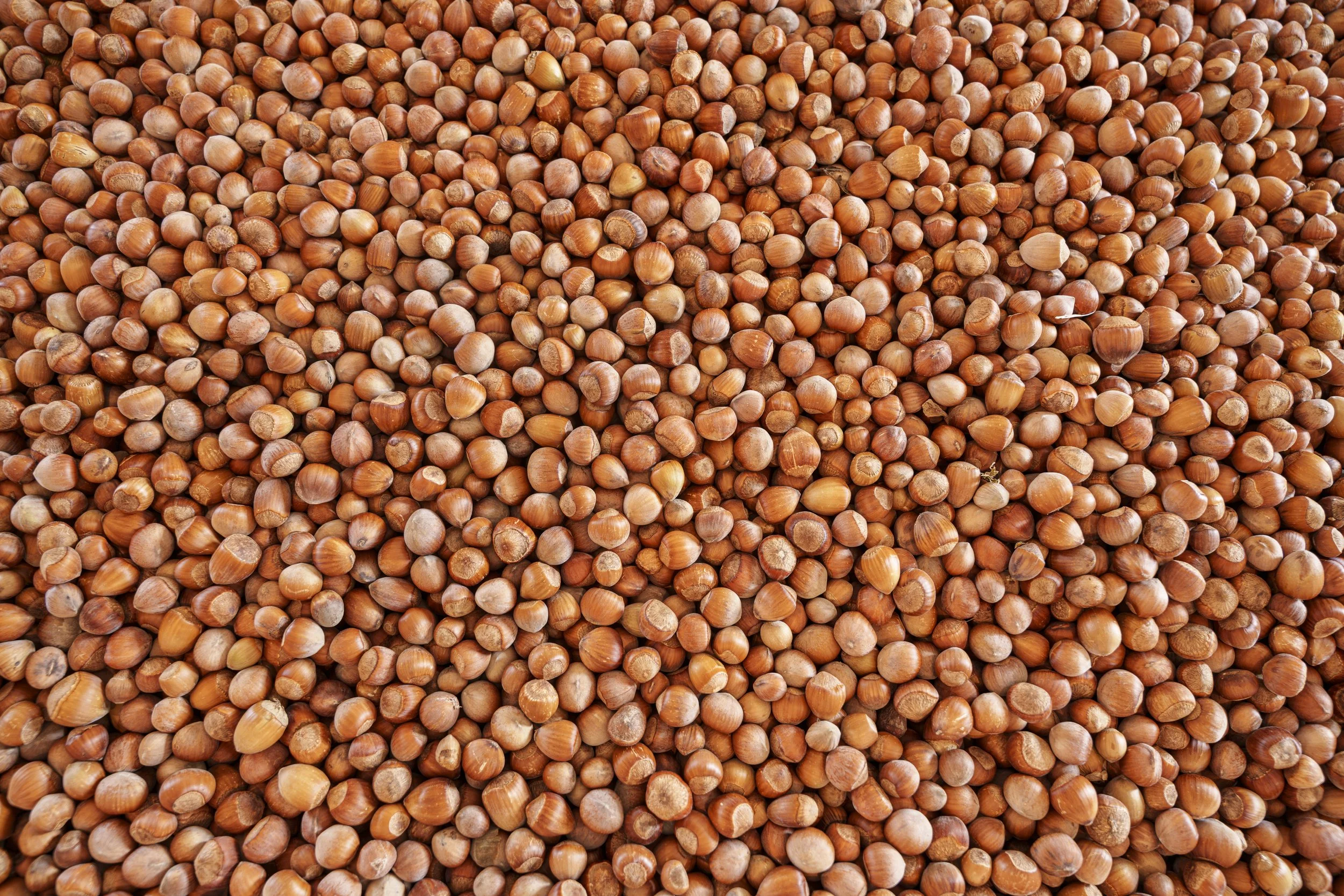
Back at the villa, the children would sit on the porch and crack the fresh hazelnuts open with a heavy stone. The best moment was watching the brown shell split apart to reveal the sweet white nut inside. The aroma, the freshness, the simple joy of cracking and tasting them straight from nature, those memories never faded.
To this day, my mother still prefers hazelnuts fresh from the shell. Though she admits that roasting brings out a whole new deep and rich dimension of flavor.
Nearly twenty-five years later, those childhood memories became a dream.
My parents approached an old family friend, Bill, an Amish farmer, about planting hazelnut bushes on his fallow land in Ohio. My father, who had spent several years living in Italy, had also fallen in love with the unmistakable flavor of roasted hazelnuts. Together, they set out to bring that European tradition to American soil.
But there was a problem: hazelnuts aren’t commonly grown in the U.S. for a reason. Traditional hazelnut trees favor mild, stable climates and don’t fare well in places like Ohio, where the weather swings from freezing to humid in a matter of months. Despite this significant challenge, My father refused to let the dream die. He researched and sought out specially developed hybrid varieties resilient to colder temperatures and resistant to blight.
Beginning in 2015, my parents planted one hundred trees each year in a pasture once used for horses. Fed by two natural springs and nourished by well-drained, naturally fertilized soil, the orchard began to thrive.
After five years, the harvest steadily grew.
Today, the nuts carry the same sweet, buttery character my mother remembers from her childhood, a flavor rooted in tradition, resilience, and love.